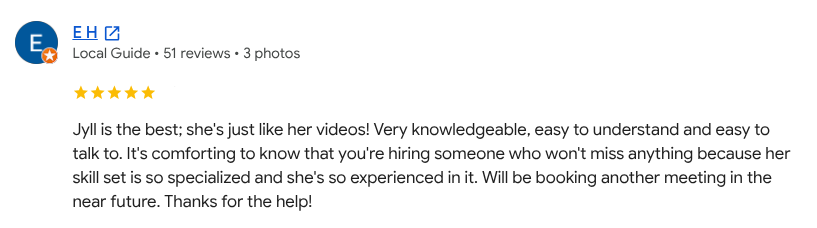
I recently had a coaching call with Jessica, a savvy B2B marketer who was feeling a bit overwhelmed by the constant pressure to use more AI in her Google Ads account. She wanted to review a competitor campaign together, because she had recently turned on AI Max.
On paper, it looked like a massive success. The click-through rate (CTR) was sky-high (better than some brand campaigns!) and the cost per click (CPC) was incredibly low.
Jessica was thrilled, but she wasn't sure exactly why it was performing so well. Was AI Max really that great? I'll admit, I was skeptical, too.
When we opened up her AI Max search terms report to see what headlines Google's AI was generating, the mystery was solved... and my jaw dropped.
This issue of The Insider is sponsored by Optmyzr
Want to know how your accounts really stack up heading into Q2? Check out Optmyzr's State of Google Ads Q1 2026 Benchmark Report for the numbers. Optmyzr reviewed five quarters of data across multiple verticals to show you exactly what's going on. Plus plus expert analysis from me and other PPC voices you trust
To explain what was happening, we'll call Jessica's employer Company, and the competitor keywords she was targeting Competitor A and Competitor B. Because this campaign had text customization turned on, AI Max had written headlines that simply read: "Competitor A" or "Competitor B".
The problem? Jessica does not work for Competitor A or Competitor B. By serving those exact headlines, AI Max was implying to users that Company was one of its competitors.
This meant I had to gently deliver some shocking news to Jessica: AI Max was breaking the law.
Here is a quick disclaimer: I am not a lawyer, and this is not legal advice. But as someone who's been around the block in PPC, I can tell you that Google Ads policy is strict, and the law in countries like the US, Canada, the UK is very clear: You cannot impersonate a competitor.
What is generally legal? Bidding on a competitor's brand name, and drawing fair comparisons in your ad text (e.g., "Competitor A Alternative" or "Competitor B vs. Company")
What is generally illegal? Pretending to be them by using their standalone brand name as your headline: "Competitor A"
To be clear, Jessica didn't write those illegal headlines. But by choosing competitor keywords, and allowing AI Max text customization to write ad text, the AI did exactly what it was supposed to do: write the most engaging, most effective headlines.
It's actually quite brilliant when you think about it; AI Max saw that Jessica hadn't included the keywords in the ad text, a basic best practice, and thought "Hmm, this should be an easy fix." And it worked! By inserting the keywords as the headlines, it saw a high CTR and kept leaning into it further.
Thankfully, this had only been running for a few weeks. If those competitors had found out, Jessica's company could have faced a massive lawsuit. We immediately went into her settings and turned off text asset customization for that campaign. While her CTR might drop and CPCs spike in the competitor campaign, it's worth the trade-off to ensure she doesn't get her Google Ads account suspended and/or break the law and face serious fines.
If you're advertising on competitor keywords, take these steps to control your automation:
-
No asset customization in competitor campaigns. If you are actively targeting competitor keywords, do not use AI Max text asset customization or Dynamic Keyword Insertion. While it may allow you to bypass Google's built-in policy detectors, it's exactly how automation causes you to break the law
-
Complete business verification. Ensure you have uploaded your official business name and business logo assets. This makes it instantly clear to users that you are the official website for your brand, not another brand.
- Check all search terms regularly. Even if you don't think you're advertising on competitor names, campaigns like Performance Max, Shopping and/or AI Max can all target queries that you didn't choose. If you're using any of these campaign types, check your search term report regularly to see if any competitor names (or misspellings of competitor names) are popping up. You can also try the new "unbranded searches" feature in AI Max to help prevent unintentional competitor targeting.
Need a second opinion on your Google Ads performance? Book a call with me to finally get clarity!